#20
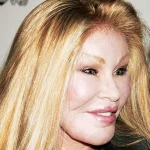
I Don’t Even Know Where To Start

Iconic Historical Photo Manipulations
Throughout history, some of the most famous edited images were used to project power or alter historical narratives. A classic example is the 1860 portrait of Abraham Lincoln, where the President’s head was famously superimposed onto the more “stately” body of politician John C. Calhoun to create a more heroic appearance. Similarly, during the Soviet era, Joseph Stalin was notorious for “vanishing” political enemies from official photographs. After high-ranking officials fell out of favor or were executed, they were meticulously airbrushed out of negatives, a practice that proved photo editing could be a chilling tool for rewriting history.
In the modern era, editing has sparked significant ethical debates in mainstream media. In 1982, National Geographic faced heavy criticism for digitally shifting the Great Pyramids of Giza to make them fit a vertical cover layout, marking a turning point in the public’s trust in photojournalism. Another controversial case occurred in 1994, when Time Magazine darkened the mugshot of O.J. Simpson for its cover, leading to accusations of using editing to influence public perception. These famous instances remind us that while photo manipulation is an art form, it also carries the power to distort the truth and shape collective memory.
#21
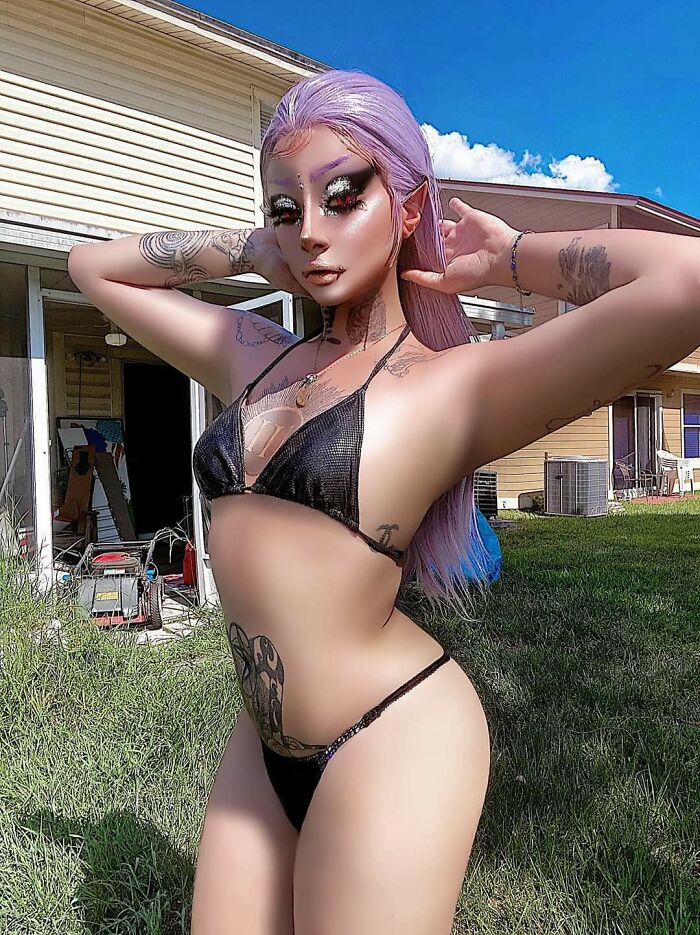
What Am I Even Looking At
#22
This Side Profile Is…

#23
Found One On A Dating App…

#24
Does Anybody Else See The Purple-Ish Rectangle Around Her Head In Both Pictures? Also, The Proportions Just Seem Off

Top Articles