February 6th, 2026
January 29th, 2026The rise of selfie culture has changed the ways we perceive beauty beyond recognition, blurring the lines between what is real and what is purely fictional. When heavy photo editing and filters first arrived on social media, they were seen as harmless tools for fun. However, the trend has evolved into something more concerning, with children as young as ten using augmented-reality face filters to sharpen, shrink, and enhance their features.
The result is often anything but pretty, leading to a surge in social media influencers being “busted” for using these tools to alter their identities and create fake personalities. It’s no secret that some individuals push this fakery to its absolute limits, which is precisely where the community r/InstagramReality steps in to expose the truth.
As the subreddit creators aptly put it: “It’s unbelievable how some people get away with it while others don’t!” Below, we take a look at some of the worst offenders of digital manipulation. Once you’ve finished scrolling, be sure to check out our previous deep dives into the world of Insta vs Reality.
#1
This Model Makes Herself Look Easily 25 Years Younger And It’s Crazy

#2
You Can Barely See Her Nose

#3
Will Never Understand The Appeal Of Little Head Syndrome

The Origins of Photo Editing
Many believe that photo editing began with the digital revolution, but it is actually as old as photography itself. As early as the 1840s, shortly after the invention of the daguerreotype, photographers began manipulating images to overcome the technical limitations of the time. Since early photos were monochrome and often lacked detail, artists used watercolors and oils to hand-tint portraits, adding a lifelike glow to skin and clothing. Beyond simple aesthetics, early pioneers like Hippolyte Bayard even staged photographs to tell fictional stories, proving that the idea of a “perfectly objective” photograph has been a myth from the very beginning.
By the mid-19th century, more complex techniques such as double exposure and combination printing emerged. One of the most famous early examples of “analog Photoshopping” is the 1860 portrait of Abraham Lincoln, which actually featured the President’s head superimposed onto the more “heroic” body of politician John C. Calhoun. These physical manipulations—achieved by cutting, pasting, and retouching negatives with ink or pencils—laid the fundamental groundwork for the sophisticated digital tools we use today.
#4
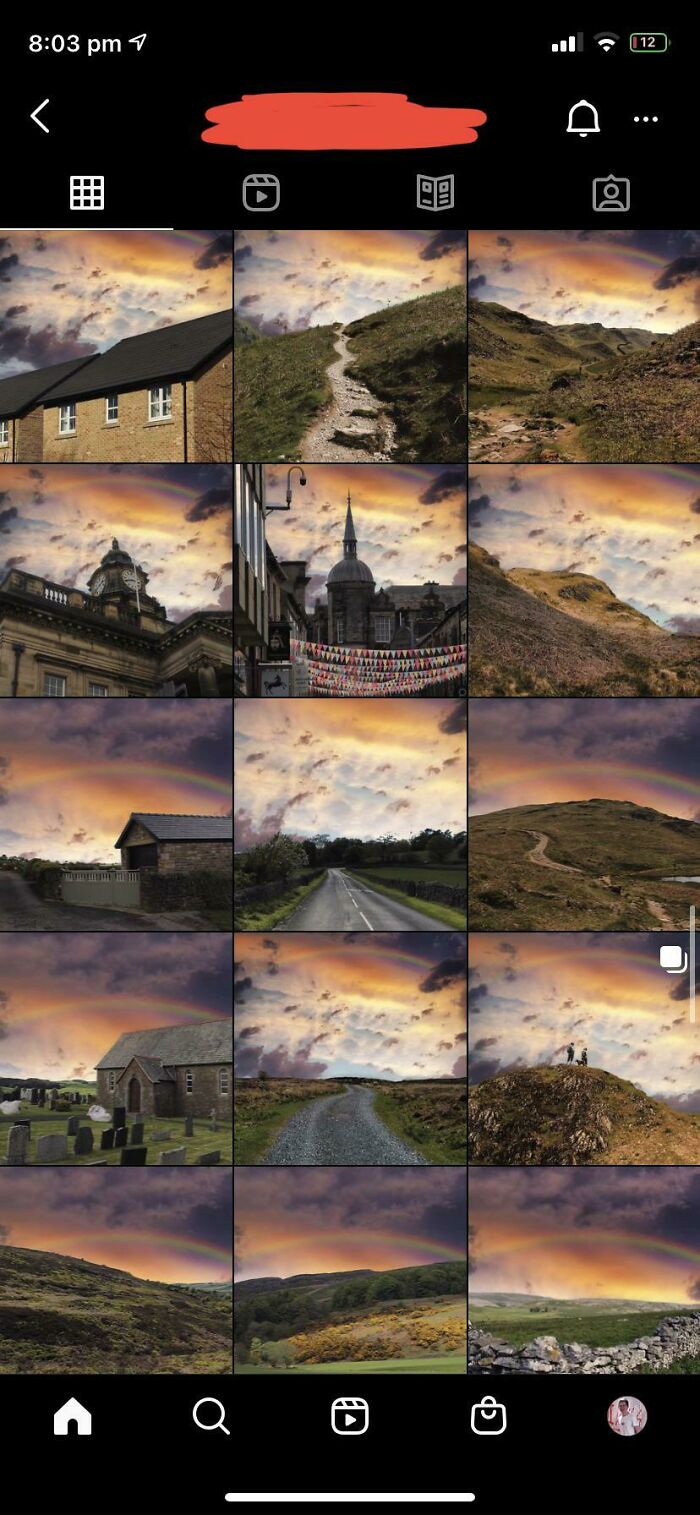
He Has One Sky That Follows Him Around Everywhere He Goes. Amazing How Its So Consistent!
#5
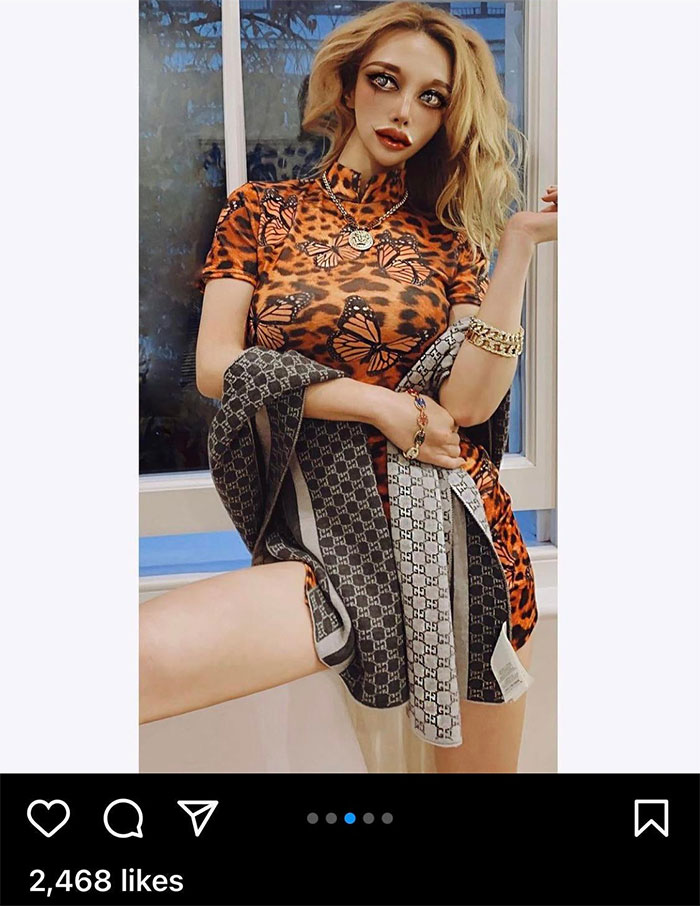
My Friend Met This Girl And She Looks Nothing Like This
#6
Body Positivity So Strong It Caused A Tsunami

#7
What She Posts vs. A Screenshot I Took From A Video

Top Articles